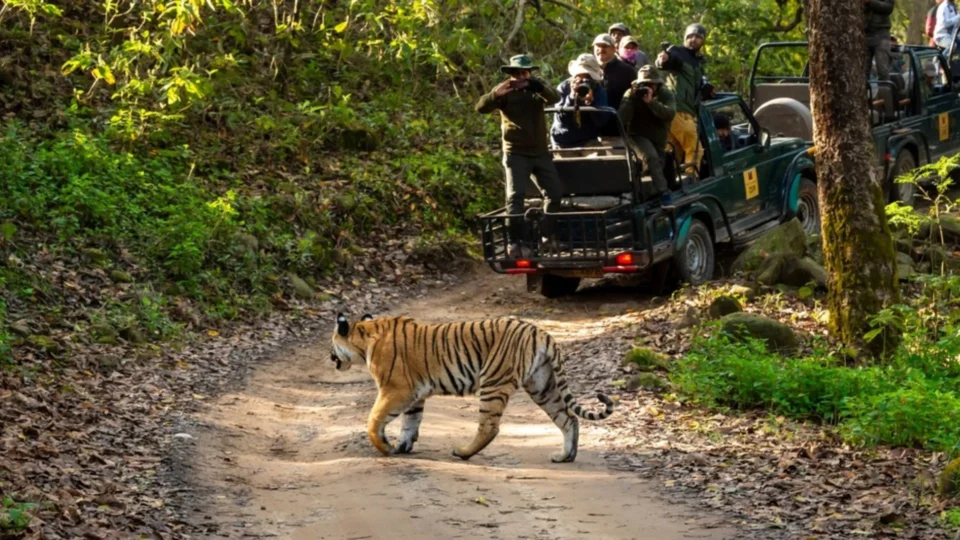
India is home to the majestic Bengal tiger, one of the most iconic and endangered species in the world. With over 50 tiger reserves, India offers wildlife enthusiasts an unforgettable safari experience. Exploring the most famous tiger reserves in India provides a perfect blend of adventure, wildlife observation, and cultural immersion. Here’s a detailed guide highlighting the top reserves and the advantages of visiting them.
- Ranthambore National Park, Rajasthan
- Why Visit: Famous for its historic forts, lakes, and tiger sightings.
- Safari Experience: Jeep and canter safaris traverse open landscapes and forested areas, increasing the chances of spotting tigers.
- Other Wildlife: Leopards, marsh crocodiles, hyenas, and a variety of birds.
- Advantage: The combination of history, scenic beauty, and high tiger density makes it ideal for both photographers and first-time safari-goers.
Example: Spotting a tiger near the iconic Ranthambore Fort is a thrilling experience that combines wildlife and heritage.
- Jim Corbett National Park, Uttarakhand
- Why Visit: India’s first national park with a diverse ecosystem.
- Safari Experience: Open grasslands and forest zones provide excellent tiger visibility; the Dhikala zone is highly recommended.
- Other Wildlife: Elephants, leopards, wild boars, and over 600 bird species.
- Advantage: Offers a well-organized safari system and lush landscapes for wildlife photography and nature lovers.
Example: Early morning safaris along the Ramganga River often reveal tigers coming out to drink water, creating an unforgettable sight. Capture stunning photographs of tigers during the best tiger safari in India offered by Nature Safari India.
- Bandhavgarh National Park, Madhya Pradesh
- Why Visit: Known for one of the highest tiger densities in India.
- Safari Experience: Guided jeep safaris increase the chances of spotting tigers, cubs, and other wildlife.
- Other Wildlife: Leopards, sloth bears, sambar deer, and marsh crocodiles.
- Advantage: High tiger density ensures better sightings, making it ideal for both photographers and wildlife enthusiasts.
Example: Capturing a tiger moving gracefully through Bandhavgarh’s open meadows is a highlight for first-time visitors.
- Kanha National Park, Madhya Pradesh
- Why Visit: Inspired Rudyard Kipling’s The Jungle Book.
- Safari Experience: Jeeps navigate dense sal forests and open grasslands, offering excellent tiger spotting opportunities.
- Other Wildlife: Barasingha deer, leopards, jackals, and a rich variety of birds.
- Advantage: Combines wildlife adventure with scenic landscapes and abundant biodiversity.
Example: Observing a tiger stalking through Kanha’s lush grasslands provides a once-in-a-lifetime wildlife encounter.
- Sundarbans National Park, West Bengal
- Why Visit: Unique mangrove ecosystem with rare estuarine tigers.
- Safari Experience: Boat safaris along tidal rivers offer a distinctive way to view tigers.
- Other Wildlife: Saltwater crocodiles, fishing cats, migratory birds, and spotted deer.
- Advantage: Provides a unique tiger-viewing experience unlike any other forest or grassland safari.
Example: Watching a mangrove tiger swimming across a river during a boat safari is a truly extraordinary sight.
Advantages of Exploring India’s Famous Tiger Reserves
- High Chances of Tiger Sightings: Reserves like Bandhavgarh and Ranthambore have dense tiger populations.
- Diverse Wildlife: Apart from tigers, you can spot leopards, elephants, sloth bears, and exotic birds.
- Scenic Landscapes: From forests and grasslands to rivers and mangroves, each reserve offers unique natural beauty.
- Educational Experience: Expert guides provide insights into tiger behavior, ecosystem dynamics, and conservation efforts.
- Photography Opportunities: Clear visibility and abundant wildlife make it ideal for wildlife photography.
- Cultural and Heritage Value: Some parks, like Ranthambore, combine wildlife with historical sites.
India’s most famous tiger reserves provide an unparalleled opportunity to witness the Bengal tiger in its natural habitat. From the historic landscapes of Ranthambore to the lush forests of Kanha and the mangroves of Sundarbans, each reserve offers unique experiences that combine wildlife adventure, education, and photography opportunities. The advantages of exploring these reserves—high tiger density, diverse wildlife, scenic beauty, and cultural value—make a tiger safari in India a must-do for nature enthusiasts and adventure seekers alike.