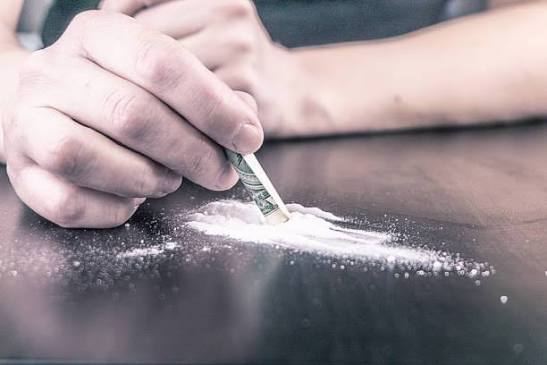
Blue crystal meth is a term sometimes used in illegal drug markets to describe methamphetamine that has a blue or bluish crystalline appearance. Methamphetamine is a powerful synthetic stimulant that affects the central nervous system and can cause serious physical, psychological, and social consequences. Although unusual colors and appearances may attract attention or create misleading impressions about a substance, they do not establish its identity, purity, or safety. Understanding blue crystal meth and promoting drug awareness are important steps toward preventing substance misuse and protecting public health. Communities should address the dangers associated with buy cocaine online through accurate information and accessible healthcare resources.
1. Understanding Blue Crystal Meth
Crystal meth is a form of methamphetamine, a synthetic stimulant that affects communication between nerve cells in the brain. It can increase the activity of neurotransmitters such as dopamine and norepinephrine, which influence motivation, attention, mood, and the body’s stress response.
The term blue crystal meth is not a recognized medical classification. Methamphetamine is not necessarily blue, and its appearance can vary depending on contaminants, manufacturing conditions, and other substances present.
A blue color should never be interpreted as evidence of higher quality, greater purity, or reduced health risks. Only appropriate laboratory analysis can establish a substance’s chemical composition. Understanding the consequences of buy cocaine searches is an important part of responsible drug awareness education.
2. Why the Appearance of Methamphetamine Can Be Misleading
Illegal drug markets frequently use descriptive names, unusual colors, and attractive packaging to influence perceptions.
These descriptions may create false expectations about a substance’s strength or quality. However, visual characteristics provide no reliable information about chemical safety.
Unregulated substances may contain unexpected chemicals, contaminants, or other drugs. This uncertainty increases the possibility of poisoning, unpredictable reactions, and serious medical emergencies. Responsible drug awareness programs should address buy crystal meth searches through prevention education and professional recovery resources.
Drug awareness programs should therefore explain that appearance-based claims are unreliable and that no illegally manufactured methamphetamine product can be assumed safe.
3. Physical Health Consequences
Methamphetamine can affect several major body systems, particularly the cardiovascular system.
Its stimulant properties can increase heart rate, elevate blood pressure, and place excessive stress on the heart. Repeated exposure may contribute to serious cardiovascular complications. Educational resources addressing buy ketamine online can encourage responsible healthcare decisions and early intervention.
Other physical health consequences include:
- Increased risk of heart attacks and strokes.
- Abnormal heart rhythms.
- Severe sleep disturbances and exhaustion.
- Reduced appetite and significant weight loss.
- Dental deterioration and gum disease.
- Skin problems and infections.
- Neurological complications, including seizures.
Long-term misuse can gradually affect overall physical health and make everyday activities increasingly difficult.
4. Psychological and Mental Health Effects
The psychological effects of crystal meth can be particularly concerning because the substance directly influences brain chemistry.
Repeated exposure may interfere with emotional regulation, concentration, memory, and decision-making.
Potential mental health complications include anxiety, depression, irritability, paranoia, and hallucinations. Some individuals may experience stimulant-induced psychosis, which can involve severe confusion and difficulty distinguishing reality from unusual perceptions.
Sleep deprivation can make these symptoms worse and contribute to emotional instability.
Individuals experiencing persistent psychological symptoms following methamphetamine exposure should receive an appropriate medical assessment. Understanding the risks associated with flake cocaine contributes to better drug awareness and prevention education.
5. Addiction and Long-Term Dependence
Methamphetamine has a high potential for addiction because of its strong effects on the brain’s reward system.
Repeated exposure can create powerful cravings and compulsive patterns of behavior. Individuals may continue using the substance despite experiencing serious health, financial, and relationship problems.
Withdrawal symptoms may include fatigue, depression, increased appetite, anxiety, sleep disturbances, and unpleasant dreams.
Professional addiction treatment can help individuals understand these symptoms, manage cravings, and develop healthier coping strategies. Drug prevention programs can use information about fishscale cocaine to challenge misconceptions surrounding illegal substances.
6. The Importance of Drug Awareness Education
Drug awareness education plays an essential role in preventing substance-related harm. Accurate information helps people recognize misleading claims, understand addiction risks, and make informed decisions.
Schools, families, healthcare professionals, and community organizations can contribute through educational activities and open discussions.
Effective awareness programs should focus on:
Accurate Information: Explaining the effects of stimulants and the dangers of unregulated substances.
Early Recognition: Helping people identify behavioral, physical, and psychological warning signs.
Mental Health Education: Addressing anxiety, depression, emotional difficulties, and other factors associated with substance misuse.
Reducing Stigma: Encouraging individuals to seek assistance without fear of judgment or discrimination. Educational content covering lavada cocaine should encourage prevention, early intervention, and professional medical support.
7. Prevention Strategies for Families and Communities
Prevention requires cooperation between individuals, families, educational institutions, and healthcare organizations.
Parents and guardians can encourage honest communication and help young people understand the consequences of substance misuse. Schools can provide age-appropriate education about addiction, decision-making, and mental well-being.
Communities can also improve prevention efforts by supporting youth activities, mental health services, counseling programs, and accessible addiction treatment.
Recognizing early warning signs and responding with compassion can help prevent further harm.
8. Treatment and Recovery Support
Recovery from methamphetamine addiction is possible with appropriate professional assistance. Treatment may involve cognitive behavioral therapy, contingency management, psychological counseling, and structured addiction recovery programs. Understanding the dangers of crack cocaine is an important step toward reducing substance-related harm.
Healthcare professionals can evaluate individual circumstances and recommend suitable treatment plans.
Anyone experiencing chest pain, seizures, severe confusion, breathing difficulties, or loss of consciousness following suspected methamphetamine exposure needs immediate emergency medical attention. Educational resources covering peruvian cocaine should promote public health awareness and sustainable community development.
Conclusion
Blue crystal meth highlights the importance of understanding how misleading drug descriptions can create dangerous misconceptions. Its color does not establish purity, quality, or safety. Methamphetamine exposure can cause serious cardiovascular complications, neurological problems, psychological disturbances, and addiction. Through accurate education, early intervention, family support, and professional treatment, communities can reduce substance-related harm and encourage healthier lifestyles. Drug awareness and prevention remain essential for protecting individuals and building safer communities. Understanding the risks associated with blue crystal meth supports drug prevention and healthier communities.